
How to Build a Resilient Mind for Lasting Calm and Growth
Article by Sheila Olson
Adult beginners in yoga and meditation often start with a simple goal: feel calmer and more centered, even when daily life stays loud and unpredictable. The challenge is that mental resilience in an unpredictable world isn’t built by one good class or one peaceful morning, and stress can return fast when plans change, relationships strain, or the body feels off. With the right approach, stress relief through mindfulness can become a steady baseline rather than a temporary reset. This kind of steadiness supports spiritual and physical wellbeing by making room for clearer choices and kinder self-talk. It also builds confidence in uncertainty management strategies that keep the mind from spinning.
Quick Summary: Resilience for Calm and Growth
- Practice openness to change by adapting your expectations and staying flexible during transitions.
- Choose curiosity over fear by exploring uncertainty with questions and small, safe experiments.
- Use mindfulness and emotional agility to notice feelings, name them, and respond with intention.
- Commit to lifelong learning by building new skills and perspectives that support steady growth.
- Balance optimism with realism by holding hope alongside clear-eyed planning and honest self-assessment.
Understanding the Mindset Behind Resilience
To ground this approach, it helps to name the mindset.
Resilience is not pretending you are fine. Emotional resilience is the flexible ability to stay connected to who you are while life shifts. It rests on three simple moves: stay open to change, meet uncertainty with curiosity, and pair hope with realism.
This matters for calm and growth because your nervous system reads surprise as danger. When you treat change as workable, you are less likely to spiral or shut down. You can show up for yoga, meditation, and self-care even on messy days.
Imagine your plans get canceled and your mind starts racing. You label it uncertainty, get curious about what you need, and choose a shorter practice. You hope for better days, while realistically doing what fits today.
With this framework clear, daily routines can turn resilience into repeatable actions.
Habits That Build Calm, Strong Resilience
Try these small routines to steady your week.
Habits matter because resilience grows through repetition, and willpower. These simple yoga and meditation-friendly practices help you stay grounded, flexible, and spiritually connected while your body learns safety over time.
One-Minute Check-In
- What it is: Pause to practice paying attention to breath, body, and mood without fixing anything.
- How often: Daily, before your first task.
- Why it helps: Naming your inner weather reduces reactivity and supports clearer choices.
Breath-to-Movement Bridge
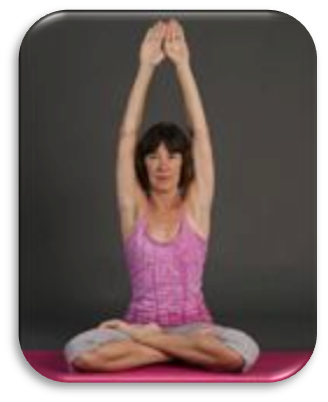
- What it is: Take 5 slow breaths, then do 3 gentle sun-breath arm raises.
- How often: Daily, mid-morning or mid-afternoon.
- Why it helps: It shifts stress energy into motion and resets posture and focus.
Curiosity Journal Prompt
- What it is: Write one line: “What is this feeling protecting?”
- How often: Three times weekly.
- Why it helps: Curiosity creates space between emotion and action.
Relationship Repair Text
- What it is: Send one kind message that supports love, respect and mutual understanding.
- How often: Weekly.
- Why it helps: Supportive ties make hard seasons feel more workable.
Sunday Practice Plan
- What it is: Choose two short sessions and place them on your calendar.
- How often: Weekly.
- Why it helps: A plan protects your practice when motivation dips.
Pick one habit today, then adjust it to fit your family’s real schedule.
Turn Learning Into a Calm Anchor: A Weekly Skill Routine
Lifelong learning can be more than self-improvement, it can be a resilience practice. When you learn in a steady, structured way, you’re training the same “return to center” muscle you use in meditation.
- Choose one structured skill path (commit for 8 weeks): Pick a single lane that supports your life, yoga anatomy, breath work facilitation, mindful communication, or a career skill. Write an 8-week map with one focus per week (Week 1 foundations, Week 2 drills, Week 3 feedback and review). This protects you from “spiritual browsing” and builds calm momentum.
- Set a tiny, consistent study rhythm (15–25 minutes, 4 days/week): Put your sessions on your calendar like a class. If you’re building career-aligned skills, a structured option like a flexible online bachelor’s in IT can make it easier to keep your learning routine steady alongside practice, family, and retreats.
- Use a one-page “lesson + practice” template: Each session, capture three lines: (1) one concept learned, (2) one small practice rep, (3) one question to carry forward. This keeps learning embodied, like hatha yoga, rather than purely mental.
- Treat setbacks as feedback the way you return to the breath: When you miss a session or feel confused, don’t label it failure, label it data. Adjust one variable only (shorter session, easier resource, different time of day) and restart within 24 hours.
- Add one “community checkpoint” each week: Once a week, share a takeaway with a friend, a practice group, or a workshop buddy, and ask for one piece of feedback.
- If you want more structure, explore competency-based online learning (optional): Look for programs that develop competencies specific to your career and request a degree plan so you can compare options realistically.
When your learning routine is small, steady, and kind, it becomes a calm anchor: you practice focus, self-trust, and course-correction, skills that hold you through change.
Building a Resilient Mind Through Calm Practice and Steady Growth
Life stays unpredictable, and even a good routine can wobble when stress, setbacks, or big decisions pile up. The way through is a gentle, repeatable approach: integrating resilience strategies that support mindful well being maintenance, steady learning, supportive connections, and realistic optimism. With practice, thriving in uncertainty becomes less about controlling outcomes and more about staying grounded, flexible, and capable, an empowered mental health stance that fuels sustainable personal growth. Resilience is built in small moments, not in perfect weeks. Choose one next gentle step today: set a 10-minute calm session and keep it daily for a week. This matters because stable inner skills protect health, deepen connection, and keep growth moving forward even when life shifts.

No responses yet